From ache to ease: Your friendly guide to beating tennis elbow pain
What is tennis elbow?
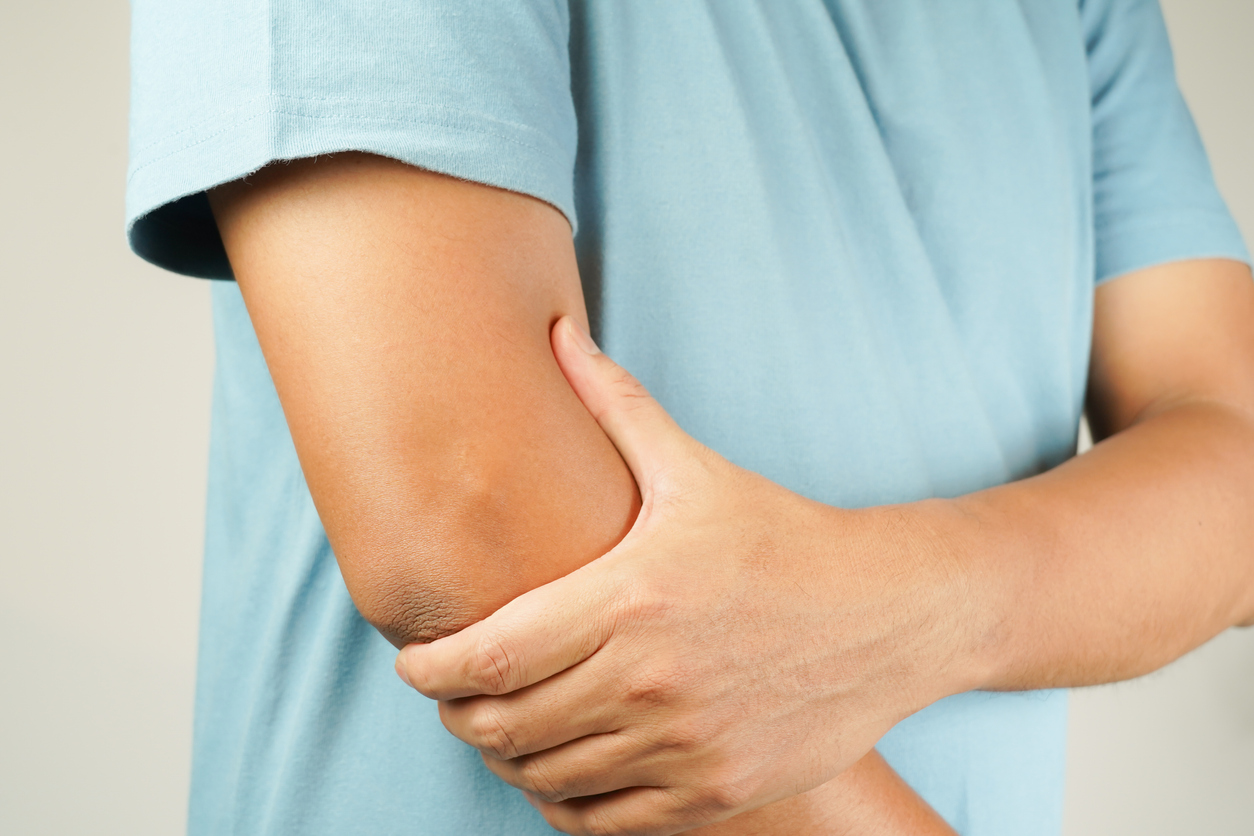
Tennis elbow (lateral epicondylitis) is inflammation or irritation of the tendons that connect your forearm muscles to the outside of your elbow.
Even though it’s called “tennis” elbow, it’s not just athletes who get it; you can develop it from many everyday tasks, such as typing, gardening, painting, or lifting. Repetitive movement is the real cause.
Common symptoms include:
- Pain or tenderness on the outer elbow
Weak grip strength
Pain when twisting or lifting objects
Stiffness in the morning or after rest
Simple ways to treat tennis elbow at home
- Rest & modify movements – give your elbow a break. Avoid heavy lifting and repetitive tasks for a few days. Try using your other arm for small tasks when possible. Tip: Lifting with your palm facing up reduces tendon strain.
- Ice, compression & elevation – when pain flares up, use the RICE method:
-
- Rest – avoid aggravating motions
- Ice – apply 15–20 minutes twice a day
- Compression – wear a tennis elbow strap for support
- Elevation – keep your arm raised when possible
-
- Gentle tennis elbow exercises – once pain eases, start light exercises to rebuild strength. Regular, gentle movement increases circulation and supports recovery:
-
- Forearm stretch – extend your arm, palm down, and gently pull your wrist down
- Wrist extension with band – slowly raise and lower your wrist against light resistance
- Isometric hold – press your hand against a wall or table for 10 seconds
-
- Add support with a counterforce strap – a tennis elbow brace or strap redistributes pressure away from your injured tendon, giving your muscles a chance to heal while you stay active.
How the pain relieving pad helps
If you’re looking for fast, drug-free tennis elbow relief, the pain relieving pad can help.
It uses a combination of vibration and acupressure to interrupt pain signals and relax tight muscles, right where you need it most. You can find out more about how it works here.
Why people love it:
Dual-action pain therapy (vibration + acupressure)
Expertly engineered and easy to use
Portable and lightweight – great for home, office, or travel
14-day money-back guarantee
Use it before your stretching routine or after long workdays to soothe soreness and support faster recovery.
Frequently asked questions (FAQs)
Q: How long does it take to recover from tennis elbow?
A: Typically it can take 4-6 months to recover if not addressed quickly and up to 2 years in severe cases. Rest, exercise, and supportive care will all help towards a faster recovery.
Q: Should I keep exercising with tennis elbow?
A: Gentle, pain-free movements are encouraged but avoid anything that worsens symptoms.
Q: Can the pain relieving pad be used with a brace?
A: Yes! The Pad can be applied directly on the area or used alongside a brace for extra comfort and relief.
Q: Is tennis elbow permanent?
A: Not usually. With consistent care and the right approach, most cases fully resolve without surgery.
Daily habits for stronger, pain-free elbows
Tennis elbow can be frustrating, but it’s absolutely treatable.
Warm up before repetitive tasks or workouts
Maintain good posture during typing or lifting
Take short breaks from repetitive motions
Don’t ignore mild pain; early care prevents chronic issues
With rest, targeted exercises, and tools like the pain relieving pad, you can find lasting elbow pain relief and get back to moving freely. Strong, flexible, and pain-free; that’s the goal.