Understanding lower back pain and how to manage it naturally
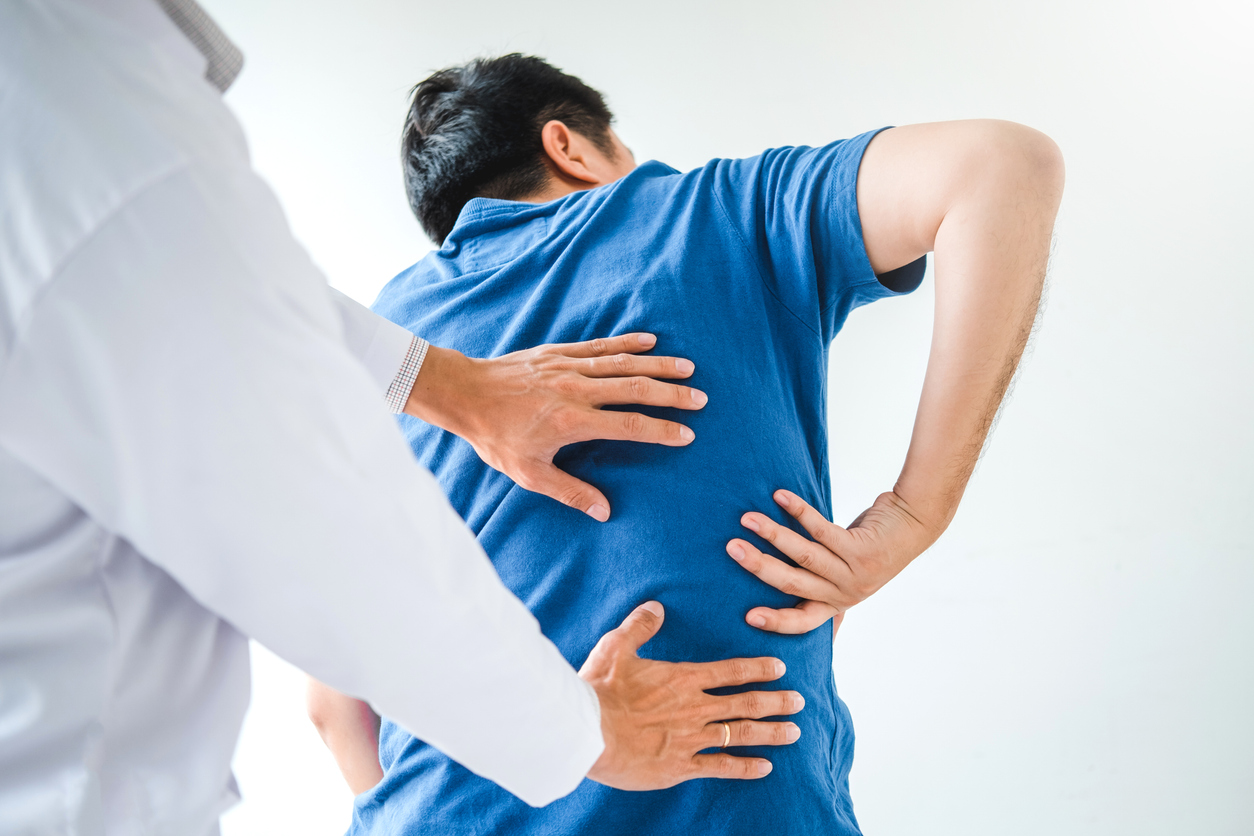
Common causes of lower back pain
Muscle strain or injury – often from lifting heavy objects incorrectly
Poor posture – sitting for long hours without proper back support
Sedentary lifestyle – weak core and back muscles increase strain
Stress and tension – tight muscles in the lower spine
Underlying conditions – such as herniated discs or arthritis
You can also view the NHS website for more information on the causes and ways to help ease back pain.
Natural, evidence-based strategies for relief
- Gentle movement and stretching – regular stretching improves flexibility and reduces stiffness. Yoga and core-strengthening exercises support your spine and relieve backache naturally.
- Heat and cold therapy – applying a heating pad or warm compress improves circulation and eases tension. Cold packs reduce swelling after acute injury.
- Acupressure and vibration therapy – techniques like acupressure and vibration pads stimulate blood flow and relax tight muscles, providing targeted lumbar pain relief. Explore our pain relieving pad, designed by doctors to support your lower back naturally.
- Posture support – using ergonomic chairs, cushions, or posture correctors can prevent strain from sitting long hours.
- Mind-body practices – meditation, deep breathing, and mindfulness reduce stress, which often contributes to back tension.
Prevention tips
Stay active and avoid prolonged sitting.
Maintain a healthy weight to reduce stress on your spine.
Lift heavy objects with your legs, not your back.
Invest in supportive seating and mattresses.
Frequently asked questions (FAQs)
Q: What is the most common cause of lower back pain?
A: Muscle strain and poor posture are the leading causes of lower back pain.
Q: Can natural remedies really help with back pain?
A: Yes, treatments like stretching, heat therapy, and acupressure are backed by research and often reduce discomfort without drugs.
Q: When should I see a doctor for back pain?
A: If pain lasts longer than a few weeks, is severe, or radiates to your legs, consult a healthcare professional.
Conclusion: natural relief is possible
Lower back pain doesn’t have to control your life. By combining natural remedies, good posture, and healthy lifestyle habits, you can manage discomfort safely and effectively.
Looking for a gentle, drug-free way to ease back discomfort? Try our pain relieving pad today.