Using the Pad for Tendon Pain

Tendon pain in the elbow, knee and heel often builds up from repetitive movement, sport or a sudden increase in activity. Tendons have a poor blood supply, so they can be slow to recover. The Pain Relieving Pad gives you something positive to do every day alongside the advice of your GP or physiotherapist.

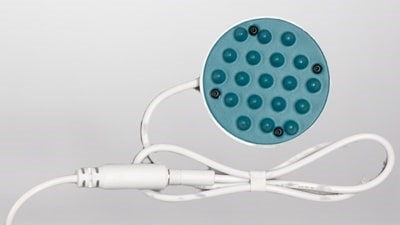
How to use it: secure the pad over the area where you feel the pain most and use it for 20 minutes, two to three times a day. You can also use it before or during activity. Below is where to place the pad for each area.

Tennis and Golfer’s Elbow

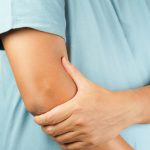
Tennis elbow (pain on the outside of the elbow): place the pad just below the bony point on the outside of your elbow.

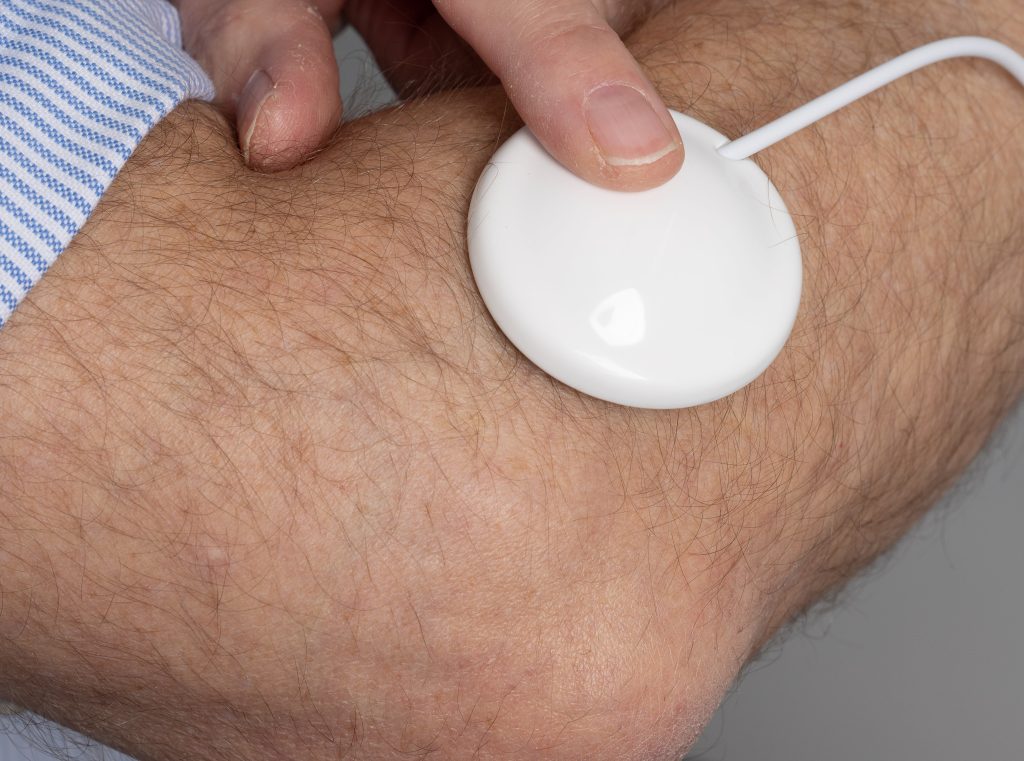
Golfer’s elbow (pain on the inside of the elbow): find the inner side of the elbow and secure the pad on the muscle just below where it hurts.

Knee Tendon Pain

Patellar tendinopathy is pain just below the kneecap. Quadriceps tendinopathy is pain where the thigh muscles attach, just above the kneecap.

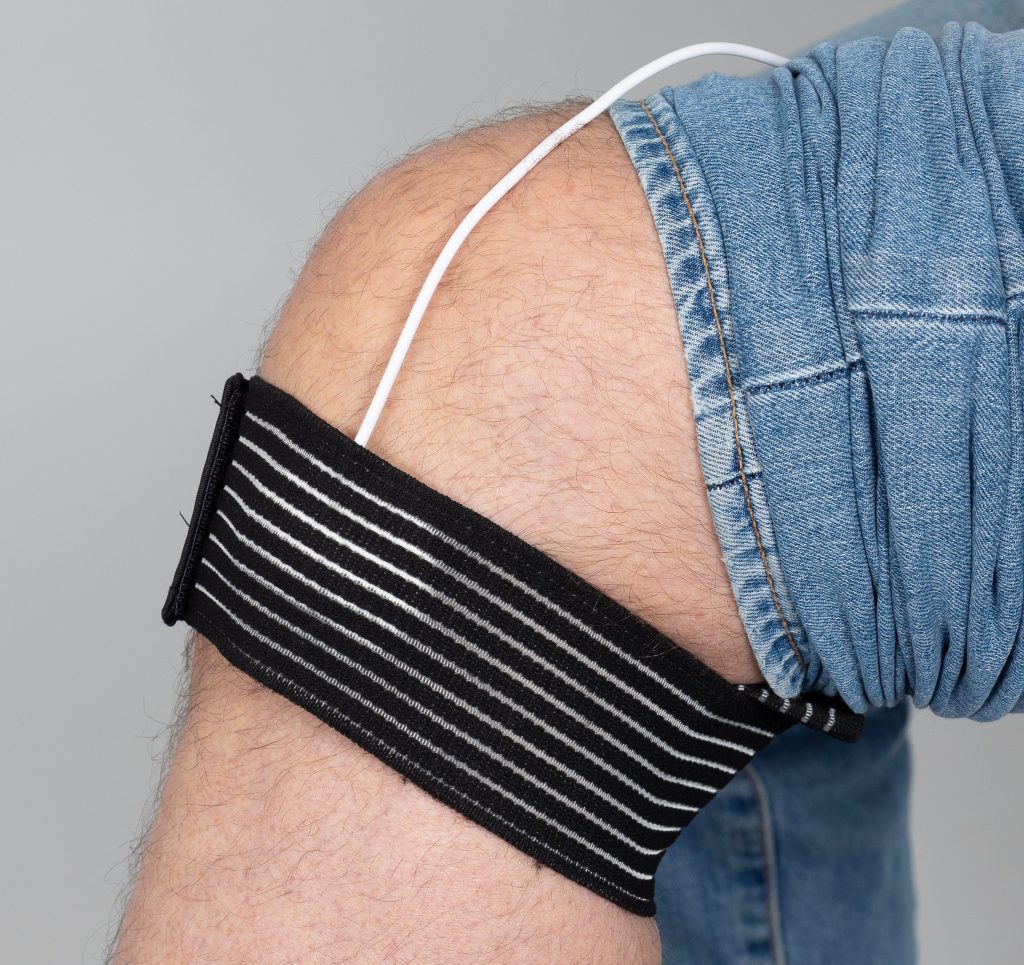
Join the two straps together so they go around your leg, and secure the pad over the spot where you feel the pain most.

Achilles and Heel Pain

Achilles tendon pain: place the pad on the inside or outside of the tendon, wherever it hurts most.

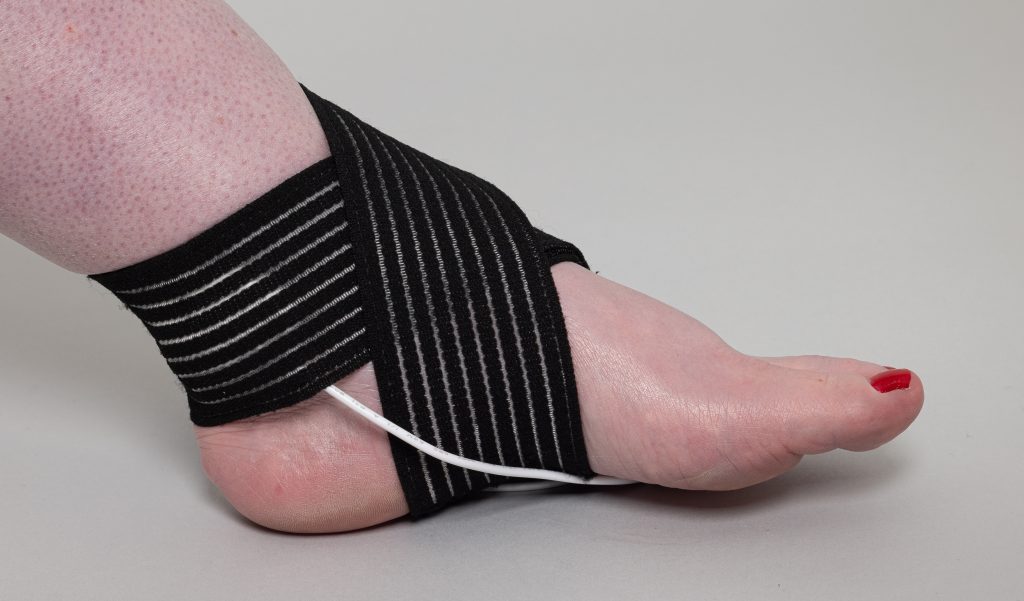
Heel pain (plantar fasciitis): place the pad on the painful spot and either rest your foot on it or secure it with a strap in a figure of eight around your foot and ankle.

What’s in the Box

  • 1 Pain Relieving Pad
  • 1 AA battery
  • 2 straps to hold the pad in place (join them together to go around larger areas, such as the knee)

Use for 20 minutes, two to three times a day.

Try It with Confidence

Backed by our 14-day no-quibble money-back guarantee. If you’re not completely satisfied, simply return it within 14 days for a full refund of the purchase price*.

*Postage and packaging costs are non-refundable.

£35.99

including VAT (£29.99 + VAT) · 1 pad, 2 straps and a battery

Please note: The Pain Relieving Pad is a wellness product, not a medical device, and is not a replacement for medical treatment. If your pain is severe or getting worse, or follows a fall or injury, seek medical advice. Stop using the pad if you develop skin redness or a rash.